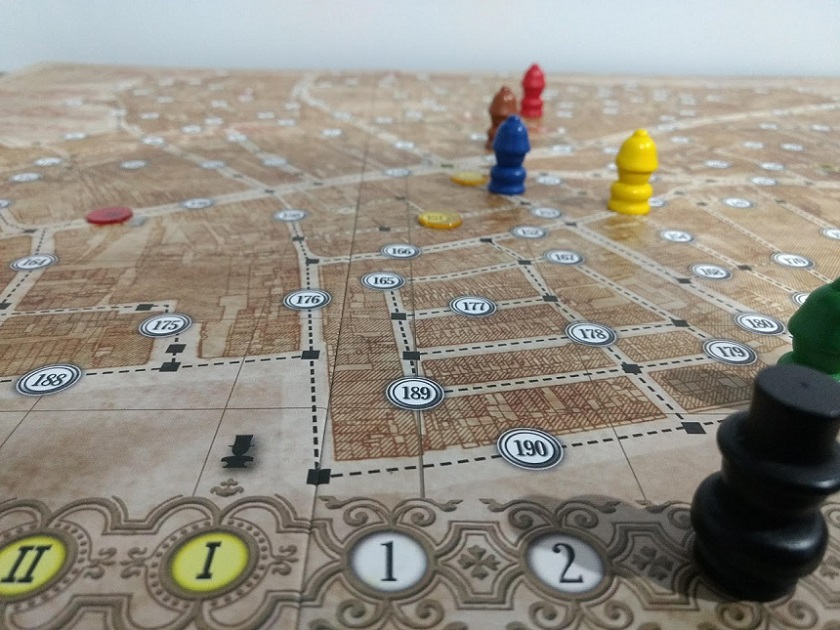
Letters from Whitechapel
Players: 2-6
Playing Time: 90 minutes
Designers: Gabriele Mari, Gianluca Santopietro
Publisher: Fantasy Flight Games
Letters from Whitechapel is a tense and thrilling way to spend two hours as the detectives slowly close in on the murderer. In saying that, it feels overly long and working as a team can be more a curse than a blessing.
Pros
- Incredibly tense game of cat and mouse
- Clues and information are drip-fed to the detectives throughout the game, letting them close the net each round
- Allows for creative routes and double-backing as ways to confuse detectives
- Thrilling to be Jack the Ripper and wondering if they’re going to find you
- Great fun deducing the possible ways Jack moved throughout London
Cons
- Takes too long to get to the climax, with little variation in how you play
- Working as detectives can be frustrating if not everyone agrees on one strategy
Love our reviews? Buying through our links earns us a small commission at zero extra cost to you, helping us table the next big release! Full disclosure here.
The smell of pumpkin spice is in the air, and that can only mean one thing: Halloween. For those in search of some true horror for this season, look no further than history. Letters from Whitechapel takes place in 1880s London when a series of gruesome murders occurred by one Jack the Ripper.
In Letters from Whitechapel, one player takes the role of an infamous killer. While the others play detectives attempting to track them down and stop them from striking again.
Each night (or round) starts with a bit of bluffing, where both Jack and the Detectives place several tokens down suggesting their starting positions. Only, some of these tokens are a bluff.
This tete-a-tete only lasts a couple of turns, before Jack strikes and puts down the crime scene token. After that, he needs to book it to his home base, a secretly marked spot on the map. If the detectives find him or stop him from reaching home, then Jack loses the game.
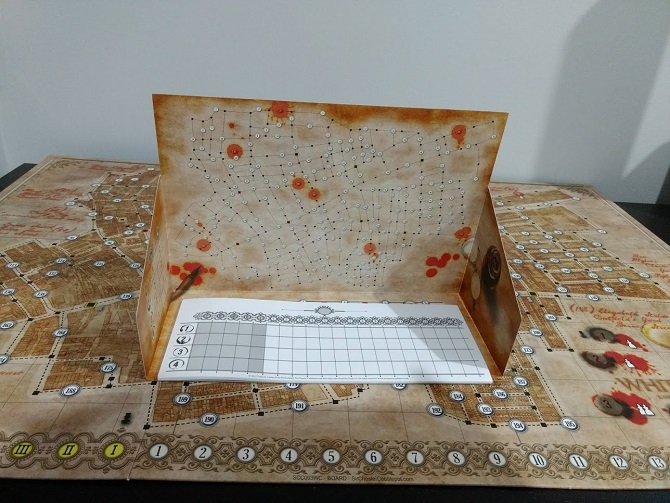
As a detective, Jack’s movement is concealed behind a player screen. So while you have four nights to catch the killer, you start with very little to go on. You know where the murder happened, how Jack moves, and that Jack always returns to their home base.
Armed with this information and your deduction skills, you need to track Jack through the streets of London. To help, detectives move faster and can gather clues from large areas that can help pick up Jack’s trail. When not scouting, detectives can attempt to make an arrest by selecting a single space. This can win the game, or completely waste their turn.
Capturing the thrill of the chase
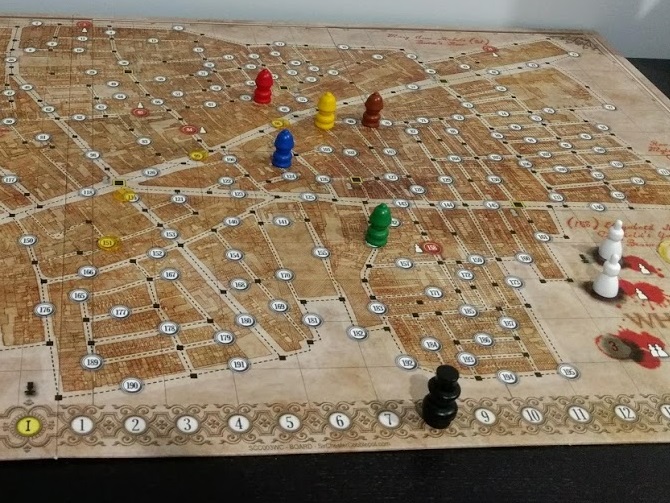
During a game of Letters of Whitechapel, only one player knows where Jack the Ripper is. The one playing Jack the Ripper. But that doesn’t stop them from sweating under the pressure of the detectives moving in. Whenever a cop moves a space closer, or they end their move next to one, there’s that moment of wonder. When the player thinks: do they know I’m there?
Being chased is thrilling and tense, but that’s also what makes it fun. With Letters from Whitechapel‘s long running time, this pressure only increases as time goes on. Jack is given fewer tools to help them escape in the later rounds.
Meanwhile, as a detective, you are provided with an empty board and a starting spot for Jack. That’s not a lot to go on. So during the first night, you’re more interested in picking up and following a trail. Hoping to get an idea of where Jack’s hideout is, so in future nights you can try and intercept them. Or at least pick up the trail easier, as you have some idea where they are headed.
However, while you’re trying to find Jack, they’re doing their best to hide. Using any means necessary to confuse you and obfuscate their path. Letters from Whitechapel aids them by providing them with multiple tools to help. For example, there’s no way to tell if Jack’s walked over their trail more than once, so the only way to find out if they doubled back is if the trail stops cold.
Jack’s special abilities provide additional confusion. Allowing Jack to dash through city blocks or take multiple moves in a row. These can be used at odd times to throw the detectives off the trail.
How long can you be on edge?
While being Jack in Letters from Whitechapel can be an extremely nerve-wracking affair. Being a detective is deduction heaven, you’ll be counting how many moves it takes to get from one location to the next, and then speculating how far they’ve gone since. It’s a very logical process, and one I absolutely adored.
When playing two players you can dig into this process of deduction and speculation, as you get to control all of the detectives. However, at higher player counts you get to discuss and plan together but other players might not always agree with your rationale. Something to think about, when deciding if Letters from Whitechapel is right for you.
For me, I loved Letters from Whitechapel, but there’s a reason I don’t pull it out so often, and that is playtime. Roughly, it takes at least two hours to go through all four nights. Being under pressure for so long, or constantly calculating movements for the full duration is draining. On the other hand, it makes for some memorable board gaming moments. Even years later, I can vividly remember games won and lost.
Otherwise, the deduction element is flawless and using everything to deceive the detectives as Jack is tough but rewarding. It’s just a shame about the game time. Especially when other games like Cryptid or Whitehall Mystery offer similar gameplay in less time.

Similar Games You Might Like
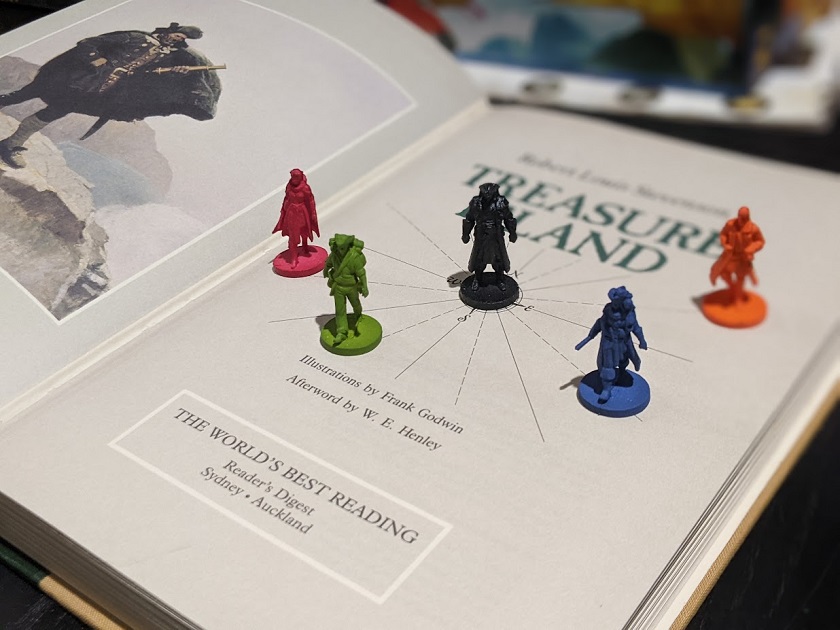
Treasure Island Review – Long John Silver and the Case of the Fuzzy “X”
Scrawl lines and search rings directly onto the map board with dry-erase tools. A creative deduction hunt only slowed down by stop-start pacing.

Cryptid Review – Channeling Your Inner Nigel Thornberry to Hunt the Chupacabra
Finding the cryptid is pure deduction, but keeping up with the clues is the real challenge. A lightning-quick logic puzzle where a single human slip-up can ruin the whole game.

Love Letter Premium Review – The Five-Star Game That Explicitly Did Not Need a Fancy Deluxe Upgrade
Deduce hidden card values and pass love notes to win the princess. A masterpiece of quick deduction… just don’t play with eight players.
A score tells you if it’s good, but the leaderboard tells you if it’s worth the shelf space.

 Loading ...