
Concept
Players: 4-12
Playing Time: 40 minutes
Designers: Éric Azagury, Cédric Chevalier
Publisher: Repos Production
The idea of Concept is wonderful and captures my imagination. The gameplay, however, never connected with me, or anyone at the tables I played at. It always degraded into a strictly worse version of Charades.
Pros
- Encourages creativity and lateral thinking in clue-giving
- Genuine moments of satisfaction when players crack a challenging clue
- Flexible format and simple rules, let you play how you want to play with who you want to play
Cons
- Lacks the high energy and humor that make party games truly memorable
- Inconsistent difficulty can lead to either overly simple or impossibly niche clues
- Gameplay slows down during complex clue-building, draining momentum and player engagement
- Doesn’t innovate much beyond the traditional Charades or Pictionary formula
Love our reviews? Buying through our links earns us a small commission at zero extra cost to you, helping us table the next big release! Full disclosure here.
I’ve been on a bit of a party game hot streak of late. From the laugh-out-loud energy of Monikers to the clever deduction of Deception: Murder in Hong Kong, you’ve had a great night if you’ve been sitting at my table. So when I came across Concept, a party board game nominated for both the Golden Geek Award and the Spiel des Jahres, my expectations were pretty high.
As a board game, Concept has all the right ingredients. Big awards, a clever hook, and a fresh take on clue-giving that promises something a little different from your usual party game staples. The idea of communicating entirely through icons is the kind of gimmick that immediately makes me want to give it a go.
The problem is, great ideas do not always make great party games.
So does Concept actually deliver, or is this award-winning design a clever concept that falls flat at the table?
How to play
The centrepiece of the Concept board game is its grid of icons. Spread across nine rows, these symbols represent simple ideas like “up” and “down”, “mouth” and “ear”, or “big” and “small”.
On your turn, you’ll team up with another player and draw a clue card. This could be anything from a movie title to a pop culture reference or even a historical figure. From there, you and your partner work together to silently link icons on the board using coloured tokens, building a larger idea for the table to guess. If you’ve played games like Charades or Pictionary, the structure will feel familiar.
For example, if your clue is The Bee Movie, you might start by placing tokens next to icons related to animals. From there, you refine it with different colours to suggest something small, striped, and flying. Add the film icon, and suddenly those scattered ideas begin to form a clear picture for other players to guess.
And guess they will!
As soon as that first token hits the board, it’s open season. And in my experience these guesses come in thick and fast.
If someone gets it right, they score two points and the clue givers earn one. If nobody cracks it, no points are awarded and the next pair takes over. Play continues until a player reaches 12 points and wins.

When the concept is better than the game
As a board game, Concept is undeniably fascinating. How do you distil a complex idea into simple, bite-sized concepts for others to grasp? Do you break it down into its core elements for clarity, or lean into shared experiences with your group?
That puzzle-solving hook is the reason Concept continues to receive so much praise from board gamers everywhere. The limited set of icons forces you to get creative, turning your ideal clue into a chain of carefully chosen symbols. When someone deciphers your logic, it feels magical, like you’ve cracked a secret code together.
When it works, it’s brilliant.
The problem is that those moments don’t come up as often as you’d hope. In our games, clue difficulty was all over the place, swinging from absurdly easy to frustratingly niche. That inconsistency makes the experience feel uneven and, at times, a bit dull.
Even when the clues hit the sweet spot, the pacing can drag. Breaking down complex ideas takes time, and the longer clue givers spend arranging tokens, the more the energy at the table fades. Players waiting for their turn drift off, side conversations start, and the momentum slips away.
It also lacks the lively interaction you want from a party game. Most of the table talk revolves around guesses, which doesn’t quite match the big laughs and memorable moments you get from games like Monikers or Word Slam. Concept leans more towards a thoughtful, puzzle-like experience, but struggles to deliver the energy that great party games rely on.
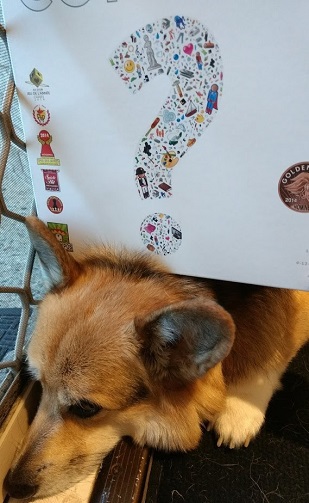
Best as background noise
Concept works best as a low-pressure activity. It’s the kind of game you pull out while chatting or multitasking, where gameplay takes a back seat to the social experience. It sits comfortably alongside light favourites like Telestrations and So Clover!, where scoring matters less than the simple fun of creating and guessing clues.
That makes it a good fit for specific moments. It’s great at the start of a game night when people are still arriving, or at family gatherings where attention is split in every direction. Its open design means players can jump in and out without disrupting the flow.
The simplicity also makes it easy to tweak. Adding teams or introducing a timer can lift the energy, giving both clue giving and guessing a bit more urgency.
The issue is that even at its best, Concept struggles to leave a lasting impression. It’s a solid introduction to modern board games, especially for families, but it lacks the spark of more memorable party games. The ideas are clever, but the experience can feel a bit flat, and in a genre full of standout options, that makes it hard to recommend as anything more than a warm-up act.
Similar Games You Might Like

Courtisans Review – Mind Your Manners, Someone’s Poisoning the Guest List
Spilling tea at court is cheap, but slipping assassins into the mix is pure fun. A crisp, petty set collection game where reputations plummet fast.
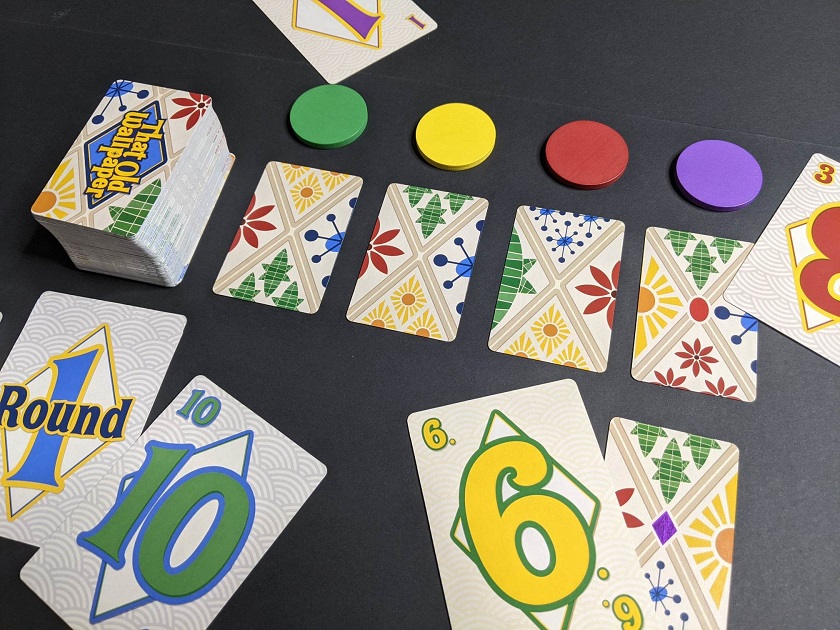
That Old Wallpaper Review – Peeling Back the Layers of Nostalgia
Stripping off old layers reveals more luck than mind games. A charming pattern match that drifts too far into unpredictable card reveals.

Diamant Review – The Prisoner’s Dilemma With Added Voodoo
Stepping deeper into traps promises massive loot, provided your rivals don’t follow you. A greed-driven push-your-luck that tests your gut instincts.
A score tells you if it’s good, but the leaderboard tells you if it’s worth the shelf space.

 Loading ...

Pingback: The Ultimate Guide to Party Board Games: Fun, Laughter, and Memorable Moments – myfamilygames.com